The Chemicals Industry Action Plan (CIAP), published on 8 July 2025, outlines the European Commission’s vision for addressing the challenges confronting one of the continent’s most vital economic sectors. The Fluoropolymers Product Group (FPG) notes that PFAS is a core element of the plan.
As the Commission recognises the need for continued use for critical applications and strategic sectors, in which fluoropolymers play an essential role, we believe that the way to efficiently support all sectors is a fully risk-based, differentiated regulatory approach.
As advanced materials, fluoropolymers are indispensable to modern life, as recognised by the CIAP. From semiconductors and defence to medical devices, industrial plants and renewable energy – fluoropolymers enable Europe’s digital and ecological transitions, strengthening its economy and reinforcing its strategic autonomy. They cannot be substituted without compromising safety and performance.
PFAS Restriction: FPG’s call to action
The PFAS restriction dossier is broad and complex, covering thousands of substances across diverse applications. This still generates profound uncertainty for industries, innovators, and investors.
FPG calls on the European Commission to apply a risk-based, differentiated approach. Fluoropolymers, which are a distinct class of PFAS and do not pose an “unacceptable risk” to the environment and human health (REACH, Article 68). Regulatory concerns predominantly relate to emissions during manufacturing and end-of-life stages. Therefore, continued use of fluoropolymers in all applications should be allowed under conditions aimed at minimising emissions throughout the whole life cycle, as alternatives with the same performance and safety do not exist.
FPG stands ready to contribute its expertise as the collective voice of the EU’s leading fluoropolymer manufacturers to continue engaging constructively with regulators and stakeholders to ensure that fluoropolymer use remains safe, sustainable, and aligned with European priorities.
A Responsible Industry
FPG and its members are committed to the safe use and sustainable manufacturing of fluoropolymers, as well as to responsible end-of-life solutions.
Strongly committed to emissions control, FPG members are taking concrete action. In September 2023, they launched a voluntary emissions reduction programme, under which the members that have production sites in the EU and in the UK successfully met the agreed milestones by early 2024. We continue to build on this success with determination.
In addition, we recently completed an update to our Guide for the Safe Handling of Fluoropolymers, designed to support downstream users in implementing best practices for emissions control.
In our position paper on the uPFAS restriction, we provide solutions to address regulatory concerns:
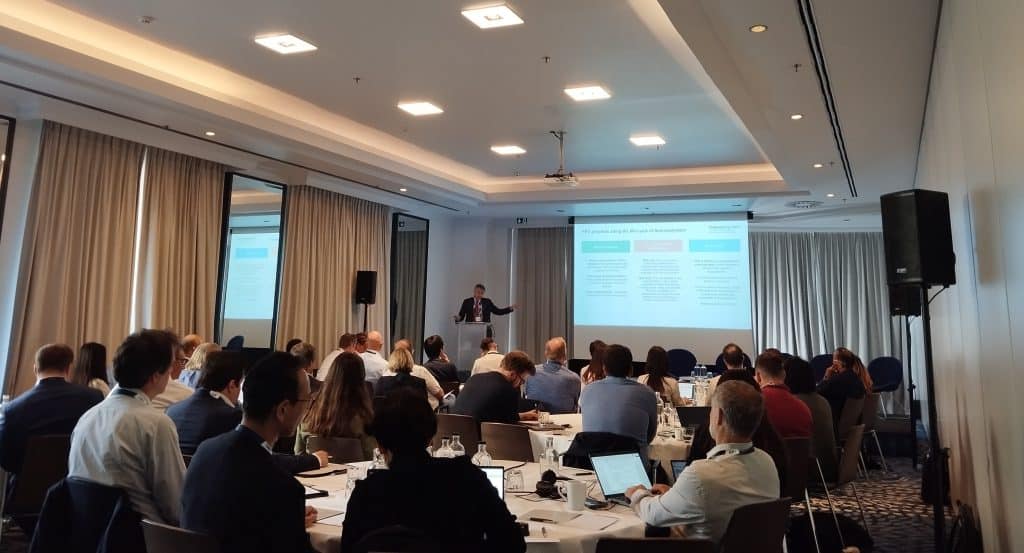
At the AMI PFAS Workshop, Ronald Bock (AGC Group), speaking on behalf of FPG, presented the latest update on the FPG Manufacturing Programme — our sector’s voluntary initiative to reduce non-polymeric PFAS emissions from fluoropolymer production in Europe.
This programme sets a new benchmark for the industry, going beyond current EU regulatory requirements and reaffirming FPG’s commitment to science-based, responsible manufacturing using state-of-the-art technologies.
A big thank you to AMI for hosting an insightful and timely discussion.
Are you looking to actively contribute to a more sustainable future? Come and join us to #ChangePlasticsForGood.
Who we are Plastics Europe’s Fluoropolymers Product Group (FPG) represents Europe’s leading fluoropolymer producers and experts.
As the voice of the fluoropolymer industry, we are committed to promoting the sustainable development of these essential materials. Our mission is to ensure a balanced, science-based regulatory environment that supports innovation, sustainability, and industrial competitiveness in Europe.
Fluoropolymers are vital to modern life and innovation. From aviation and electric vehicles to medical devices, energy systems, and technical apparel, these materials enable technologies that shape our world. With their unique set of chemical properties, fluoropolymers ensure safety, stability, reliability, durability and performance in numerous technologies, industrial processes and everyday products that are critical for human health, safety and the environment.
The Product Group’s is composed by full members of Plastics Europe (i.e. AGC, Arkema, Chemours, Daikin Chemicals, DuPont, Gujarat Fluorochemicals, Honeywell, W. L. Gore & Associates, Syensqo and Kureha Corporation).
We are seeking a proactive and strategic policy expert to join our Brussels-based team. As Advocacy Manager, you will work closely with the Director of the Fluoropolymers Product Group in shaping and executing advocacy strategies that reflect the interests of our member companies.
Key Responsibilities • Implement advocacy strategies in collaboration with member companies. • Monitor EU policy and legislative developments, assess their impact, and propose industry responses. • Support the development of industry positions and supporting material. • Coordinate policymaker outreach and represent the industry in discussions with EU and national institutions and agencies. • Build and maintain strong networks with policymakers, industry stakeholders, and downstream users. • Implement FPG communication strategy and actions in support of its advocacy activities. • Coordinate and facilitating working groups and sub-committees within the Product Group. • Ensure compliance with Plastics Europe policies.
What we are looking for • Experience: Minimum 5 years in EU government relations and public affairs, preferably in the chemical or plastics industry or a trade association. • Education: University Degree in Political Science, International Relations, Chemicals or a related field.
Skills: o Strong advocacy and communication abilities. o Deep understanding of EU policy-making and regulatory frameworks. o Ability to interpret and communicate complex legislation. o Fluent in English; additional languages are a plus. o Team-oriented, detail-focused, and capable of managing multiple priorities.
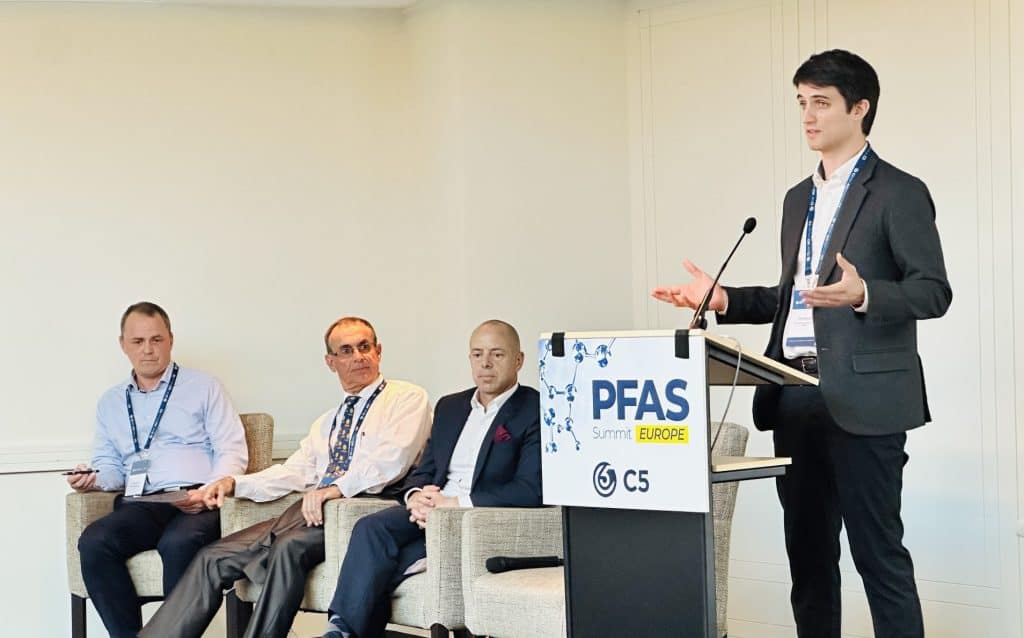
Yesterday at the C5 PFAS Summit, Paul Blondeau (Syensqo), representing FPG, joined fellow experts to discuss the indispensable role of fluoropolymers across critical sectors—including semiconductors, energy, healthcare, and defence.
On a Panel with Bruno Ameduri (CNRS) and Jonathan Pantanowitz (The Chemours Company), Paul presented the science-based evidence: fluoropolymers are non-toxic, non-mobile, non-bioavailable, and essential where performance and reliability are non-negotiable.
As discussions continue on broad PFAS restrictions, FPG reaffirms its commitment to responsible manufacturing and that fluoropolymers must be recognised for their unique set of properties and essential uses. Where no alternatives exist, restrictions risk undermining innovation, safety, and Europe’s strategic autonomy.
The members of the Fluoropolymer Product Group (FPG) Manufacturing Programme for European Manufacturing Sites today announce an important milestone in the European industry’s effort to minimise emissions to water and air of non-polymeric PFAS residues from polymerisation aid technology that is used in the fluoropolymer manufacturing process. Sustainable manufacturing, emphasizing strict emissions control and end-of-life management, is crucial to the members of the programme, and this specific step reinforces the industry’s commitment to producing fluoropolymers responsibly, using the state-of-the-art technologies.
Within the framework of the industry’s voluntary Manufacturing Programme, members − AGC Chemicals Europe, Ltd., Arkema, Chemours Netherlands B.V, Daikin Chemical Europe, Syensqo SA and W. L. Gore & Associates − have successfully met the first reduction target for non-polymeric PFAS residues from polymerisation aid technology. Specifically, members of the Programme have:
For Air, achieved a reduction of these emissions in their 2024 annual average emission factors below their target of 0.009%;
For Water, while not all European fluoropolymers manufacturers have met the 2024 annual average emission factor for the emissions target of 0.001%, they all met that ambitious target at the end of 2024, therefore guaranteeing these emissions below 0.001% for 2025.
This is in line with the Manufacturing Programme for European manufacturing sites agreed by the above-mentioned European fluoropolymers manufacturers in September 2023.
Overview of the Manufacturing Programme
The programme comprises three pillars, more specifically:
An industry-led commitment to achieve average emissions factors for non-polymeric PFAS residues from polymerisation aid technology that is used in the fluoropolymer manufacturing process:
By end 2024: 0.009% to air; 0.001% to water.
By end 2030: 0.003% to air; 0.0006% to water.
A platform to exchange information on commercially available state-of-the-art technologies to minimize non-polymeric PFAS emissions in manufacturing; and,
A commitment to inform downstream users of fluoropolymers on their safe handling and use in the Guide for the Safe Handling of Fluoropolymer Resins.
“We are proud to announce that all members of the Manufacturing Programme have successfully met their emissions reduction targets for non-polymeric PFAS at the end of 2024.
This achievement is a testament to the industry’s commitment to responsible manufacturing practices and our dedication to minimizing environmental impacts. The programme’s success demonstrates that European fluoropolymer manufacturers are leading the way in sustainable production, ensuring that these critical materials continue to support strategic technologies while protecting the environment. We look forward to continuing this important work and achieving our ambitious targets for 2030.”
Ronald Bock, FPG Chairman
The way forward
The European manufacturers are now working hard to also successfully implement the other pillars of the programme. Work on the exchange platform on state-of-the-art technologies is progressing well. The Guide for the Safe Handling of Fluoropolymer Resins will be made available later this year.
Looking ahead, an update will be published in 2026, setting out the progress made in 2025 across all the different pillars of the Manufacturing Programme as we strive towards our 2030 commitment.
About FPG: The Fluoropolymers Product Group (FPG) is part of Plastics Europe, the industry association representing European polymer producers. It operates in accordance with the Plastics Europe governance, including Competition Compliance Rules. Plastics Europe covers the EU, plus the UK, Norway, Turkey and Switzerland.
About Fluoropolymers:
Fluoropolymers are advanced materials that provide unmatched durability, chemical and thermal resistance, and stability in extreme environments. Their unique set of properties makes them essential in many industries, from healthcare and renewable energy to transportation, aerospace and semiconductors.
Fluoropolymers: Enablers of Europe’s Competitiveness Compass
Dear Readers,
Welcome to the latest edition of the FPG newsletter!
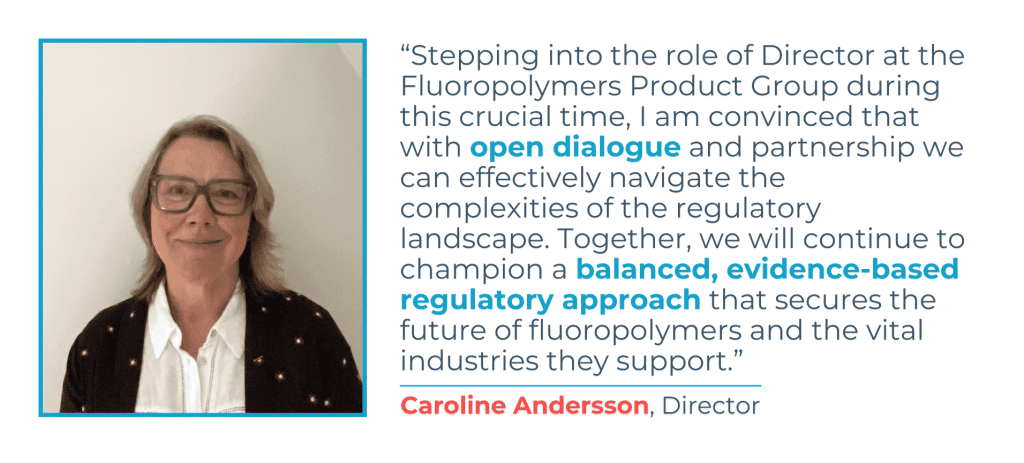
My name is Caroline Andersson and it is my pleasure to be serving as the new director of the Fluoropolymers Product Group.
Together with the whole FPG team, I aim to effectively serve the entire fluoropolymers industry and to make the case for the importance of these advanced materials crucial to Europe’s industry, competitiveness, sustainability and strategic autonomy.
With the Competitiveness Compass, the EU has set its sights on securing a sustainable and innovative economy in Europe. Fluoropolymers will be critical to fulfilling this ambition.
2025 is looking to be a critical year for European chemicals policy as the von der Leyen II Commission finds its stride. The Commission is expected to present its Clean Industrial Deal in the first quarter of this year and the Chemicals Industry Package in the fourth quarter. And, of course, the discussions over the PFAS REACH restriction will continue.
Be sure to subscribe and share this newsletter to receive the latest news on FPG’s activities and the European regulatory space impacting fluoropolymers.
With kind regards,
Caroline Andersson, Director, Fluoropolymers Product Group
This issue at a glance:
Dialogue: The key to informed and balanced policymaking.
Regulatory updates
Competitiveness Compass: New EU rules to cut red tape and foster innovation in chemicals.
France: REACH reform should send “clear signals” in favour of investment and innovation
Upcoming events
Feel free to share this newsletter with your wider network and invite people to subscribe by sharing this signup form.
Dialogue: The key to informed policymaking
At FPG, we believe sound policymaking depends above all on balanced and inclusive dialogue to achieve well-informed and effective regulatory outcomes. Only in this way can all voices and all relevant factors be considered, whether economic, environmental, sanitary, scientific, or other.
As such, we were pleased when the European Commission recently reaffirmed its commitment to upholding EU treaty provisions for open, transparent, and inclusive dialogue with representative associations and civil society in the context of the PFAS restriction proposal.
FPG supports the high level of participation in the European Chemicals Agency’s (ECHA) consultation process. As part of the REACH process, public consultations are an essential, legitimate and inclusive mechanism for all interested parties both within and outside of the EU.
The PFAS substance group includes approximately 10,000 substances within which fluoropolymers only represent a small fraction. The substantial volume of input from diverse stakeholders highlights the complexity and importance of this issue as well as the unprecedented scope of the restriction. Now as ever, dialogue is key to adopting a well-informed and balanced approach that considers all aspects!
REGULATORY UPDATES
Competitiveness Compass: New EU rules to cut red tape and foster innovation in chemicals
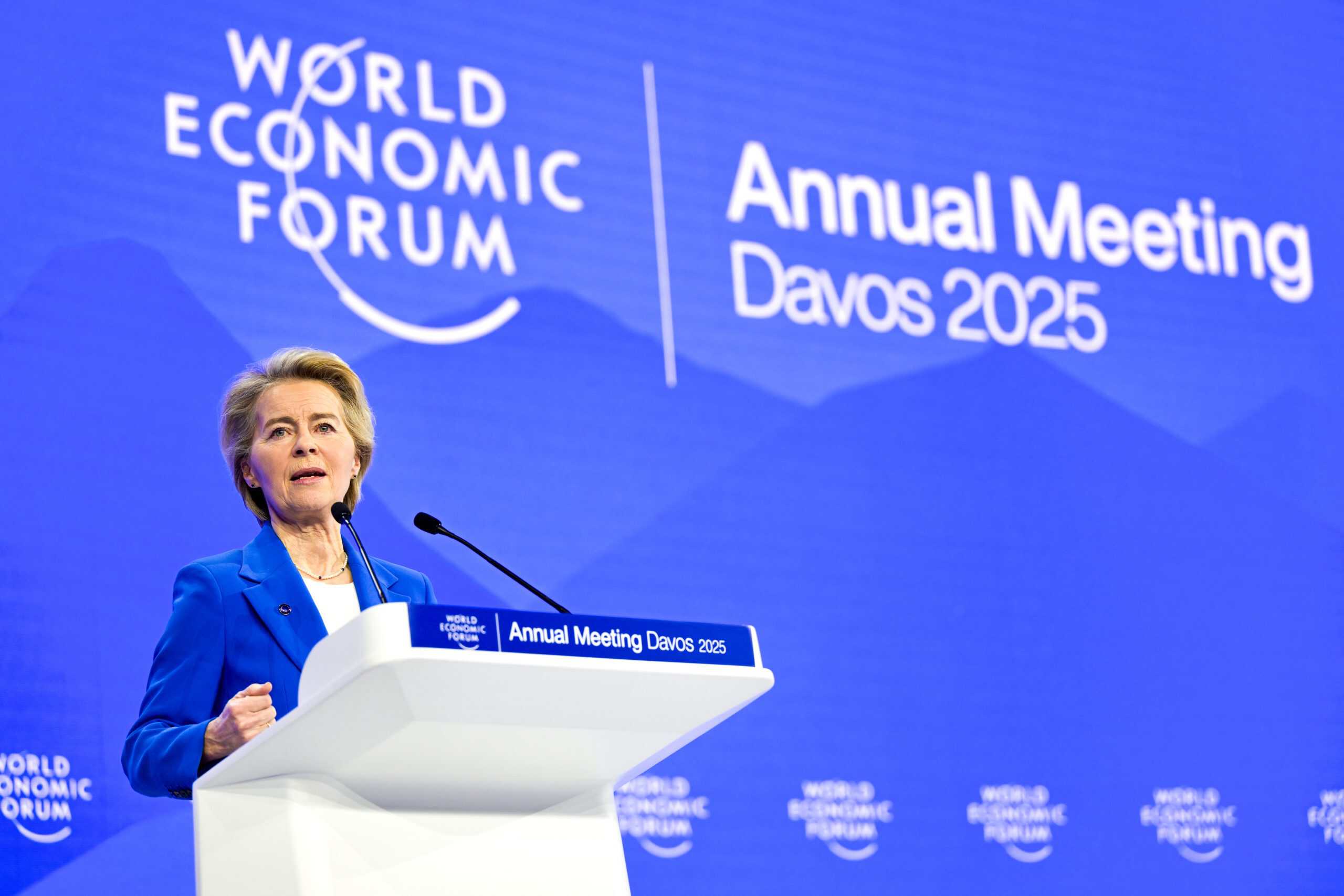
Restoring Europe’s competitiveness has been the major theme of Ursula von der Leyen’s second term as president of the European Commission. Speaking at the World Economic Forum in Davos, von der Leyen said the EU’s new plan to boost the economy, the “Competitiveness Compass,” would aim to increase productivity and innovation, overcome skills and labour shortages, and reduce red tape.
Presented earlier this week, the Competitiveness Compass outlines a range of upcoming measures to reduce administrative burden and foster significant industries. Among these will be a Chemicals Industry Package in the fourth quarter of this year. The package would include a revision to REACH aiming to bring “a real simplification on the ground” and ensure “faster decision-making on important hazards, as well as sustainability, competitiveness, security and safety”
What’s more, the Commission would present an Advanced Materials Act sometime in 2026. This would provide a framework to “support the whole lifecycle” for advanced materials, “from research and innovation to start-up creation until manufacturing and deployment.”
The fluoropolymers sector looks forward to seeing these proposals come to light. Given their unique properties and contribution to key technologies such as microchips, mobility, fuel cells, batteries, energy storage, robotics, secure connectivity and defence, there is no doubt that fluoropolymers are advanced materials. With the right framework in place, fluoropolymers can be fully leveraged as part of Europe’s quest for competitiveness and sustainability.
France: REACH reform should send “clear signals” in favour of investment and innovation
The French government is pushing for the reform of REACH as part of a series of measures to simplify EU regulation. France wants to prioritize REACH reform to strengthen health and the environment while also simplifying administrative procedures. The reform should “send clear signals to economic actors in favour of investment and innovation.”
Given the importance of REACH, the French government argues the reform should not be undertaken too hastily. Rather, there should be “an in-depth consultation to meet the expectations of stakeholders” and an impact assessment to “take into account the current economic situation.”
The memo detailing the measures also calls for a regulatory pause, re-examining and revising current legislation, and targeted changes in areas such as sustainability reporting, banking and state aid. An EU “omnibus” proposal presenting various initiatives for administrative simplification is expected on 26 February.
The Fluoropolymers Product Group (FPG) stands by the integrity of its actions and remains committed to providing transparent, evidence-based information about fluoropolymers to all stakeholders.
We support a regulatory approach that is both coherent and targeted, and we support regulatory action to ensure the highest standards of emissions control and lifecycle management. Throughout the European Chemicals Agency (ECHA) process, we have contributed knowledge, data, and expertise as part of the public stakeholder consultation. This inclusive process is a cornerstone of effective and balanced regulation.
Fluoropolymers are uniquely positioned to support critical industries, including healthcare, renewable energy, advanced batteries, semiconductors, transportation, and defence. These materials play a vital role in Europe’s competitiveness, strategic autonomy, and transition to a green economy.
An overly broad restriction proposal encompassing thousands of substances risks significant unintended consequences. It could disrupt essential industries, hinder innovation, and compromise Europe’s sustainability goals. Treating fluoropolymers as indistinguishable from other PFAS substances fails to recognize their distinct safety profile and indispensable role in advancing critical sectors responsibly.
We are committed to advocating for best practices in manufacturing and end-of-life management, ensuring fluoropolymers continue to meet the highest standards of safety and environmental stewardship. FPG will persist in engaging constructively in the regulatory process, adhering to all rules and procedures, and championing decisions rooted in robust scientific evidence.
By fostering balanced and evidence-based regulation, we can ensure that essential technologies supported by fluoropolymers continue to deliver solutions that benefit society and the environment alike.
About FPG: The Fluoropolymers Product Group (FPG) is part of Plastics Europe, the industry association representing European polymer producers. It operates in accordance with the Plastics Europe governance, including Competition Compliance Rules. Plastics Europe covers the EU, plus UK, Norway, Turkey and Switzerland.
Fluoropolymers: Revitalising European manufacturing
Dear Colleagues,
Welcome to the latest newsletter from the Fluoropolymers Product Group. Read on to find out the latest news about and from the fluoropolymers sector.
This issue at a glance:
Feature article: Revitalising European manufacturing
Regulatory updates
Progress update: ECHA to consider alternatives to PFAS ban
Up next: ECHA to discuss PFAS in fluorinated gases, transport and energy
FPG advocacy: Forum Europe Sustainable Chemicals Conference
Upcoming events
At the close of this eventful year, all of us at FPG would like to wish you festive holidays with your loved ones and a Happy New Year! See you again in 2025!
Ronald Bock, Chairman, Fluoropolymers Product Group
Feel free to share this newsletter with your wider network and invite people to subscribe by sharing this signup form.
Fluoropolymers: Revitalising European manufacturing
Welcome to the new European Commission! With the approval of the second von der Leyen Commission by the European Parliament, we know who will lead the European Union’s executive branch for the next five years.
Commission President Ursula von der Leyen has committed to a new plan for Europe’s sustainable prosperity and competitiveness, clearly reflecting the concerns of European citizens and businesses. This commitment includes a promised new Chemicals Industry Package which would simplify and provide clarity on EU chemical rules.
Fluoropolymers will be crucial to achieving sustainable prosperity, not least by revitalising European manufacturing. The unique properties of fluoropolymers — such as stability, durability and non-stick — enable increased efficiency and production yield in manufacturing, while also reducing downtime and maintenance costs.
Fluoropolymers enhance both general manufacturing capabilities and specific sectors where Europe is and must remain a leader, such as renewable energies, aerospace and semiconductors.
Best of all, benefiting from fluoropolymers’ unique advantages need not come at the expense of the environment. With FPG’s Responsible Manufacturing Programme, the European fluoropolymers industry has set the highest industry standards for fluoropolymer manufacturing worldwide.
A sustainable, prosperous and autonomous Europe needs to be at the cutting-edge of manufacturing sectors enabling competitiveness, sustainable energy, and the circular economy. Make no mistake: Europe needs fluoropolymers!
REGULATORY UPDATES
ECHA to consider alternatives to PFAS ban
The European Chemicals Agency (ECHA) published a progress update last month on the PFAS restriction process stating that the agency may consider alternative restrictions to a full PFAS ban
ECHA’s Committees for Risk Assessment (RAC) and Socio-economic Analysis (SEAC) are now considering restriction options other than a ban for specific sectors. Measures could include conditions to be met to allow for the continued manufacture, placing on the market or use of PFAS, possibly until until alternatives are available.
ECHA would consider alternative options in particular for uses and sectors where a ban could lead to “a disproportionate socio-economic impact.” Specific sectors mentioned include batteries, fuel cells and electrolysers, but also medical devices and semiconductors. FPG welcomes this move which is a step towards a balanced approach with fully recognises the socioeconomic importance of fluoropolymers.
The update also indicated that the 2023 public consultation on the PFAS restriction proposal led to the identification of new uses to be assessed. These include some medical applications such as packaging and excipients for pharmaceuticals.
EU Parliament Vice-President Hojsík calls for swift revision of REACH to safeguard industry
ECHA has released summaries of the November RAC and SEAC meetings. These show that the committees have provisionally concluded their evaluation of an EU-wide restriction on PFAS in construction products; textiles, leather, and carpets (TULAC); and food contact materials (FMC) and packaging. Discussions on fluorinated gases, transport and energy are planned for March, with sectors such as lubricants, medical devices, and electronics and semiconductors to follow.
FPG ADVOCACY
Forum Europe Sustainable Chemicals Conference
Downstream users flag fluoropolymers’ key role in aerospace and medical devices
The role of fluoropolymers in supporting innovation across critical industries was highlighted at the Forum Europe Sustainable Chemicals Conference in Brussels on 19 November.
In the aerospace sector, fluoropolymers are used for their safety and reliability in crucial components in aircraft and military equipment. In the medical field, these advanced materials are indispensable to develop biocompatible, long-lasting medical devices, including instruments and implants, that meet the strictest safety and hygiene standards.
European policymakers at the event emphasised the need for balanced regulation. Upcoming reforms to the EU’s REACH legislation would aim to simplify processes, promote transparency and foster innovation for SMEs. The message from industry was clear: balance is needed to both minimise PFAS emissions and support European prosperity and safety.
Fluoropolymers: Critical to European competitiveness
Dear Colleagues,
Welcome to the latest newsletter from the Fluoropolymers Product Group. We hope you have had a good rentrée. Certainly a lot has taken place in the European regulatory and policy world over the summer break. Read on to find out the latest about and from the fluoropolymers sector.
This issue at a glance:
Feature article: Fluoropolymers are critical to European competitiveness in a fast-changing world
Regulatory updates
Commissioner hearings: Roswall and Séjourné outline plans to modernise and simplify EU chemicals policy
EU Parliament Vice-President Hojsík calls for swift revision of REACH to safeguard industry
Upcoming events
Do not hesitate to reach out should you wish to showcase the socio-economic, industrial, technological or environmental importance of fluoropolymers to your sector.
With kind regards,
Ronald Bock, Chairman, Fluoropolymers Product Group
Feel free to share this newsletter with your wider network and invite people to subscribe by sharing this signup form.
Fluoropolymers: Critical to European competitiveness in a fast-changing world
“Competitiveness”! It seems like the word is now on everyone’s lips in European policymaking circles. Everywhere you look, there is a growing recognition of the need to ensure policies and regulatory approaches that maintain or restore the EU’s competitive advantage in key sectors.
President Ursula von der Leyen’s political guidelines for 2024-2029 promised to be nothing less than “a new plan for Europe’s sustainable prosperity and competitiveness”. Former Italian prime minister Enrico Letta and Mario Draghi have each submitted official reports to inform the new Commission’s work, one on the future of the EU single market and the other on competitiveness. And just last week the 27 heads of state and government of the European Council adopted the Budapest Declaration on a New Competitiveness Deal committing the EU to take action to cut red tape and reduce the innovation gap with other major economies.
But how can the EU fulfil these lofty goals and restore its competitiveness? As fluoropolymers manufacturers, we know that in today’s rapidly evolving global market, the EU must harness the potential of advanced materials to maintain its competitive edge. Among these materials, fluoropolymers stand out due to their versatility and superior performance characteristics. With their unique properties, fluoropolymers can play a pivotal role in boosting European competitiveness across various industries, from energy to electronics and beyond.
Recent EU policy documents recognise the need for a smart and pragmatic approach to regulating chemicals that protects the environment while enabling uses that foster a sustainable and competitive economy. The Draghi Report for instance notes that “[r]isk assessment of EU regulation may not always be based on actual exposure, imposing additional constraints on products and processes.” It also specifically recognises that a broad PFAS restriction “would impact the use of substances needed to produce clean technologies (batteries and electrolysers), for which there are currently no alternatives.”
As part of her push for European competitiveness, von der Leyen has pledged to swiftly present a Clean Industrial Deal to invest more in clean, strategic and cutting-edge technology, ensuring these continue to be “made in Europe”. There is no doubt fluoropolymers will be critical to ensuring renewable energy and other sustainability technologies continue to be made in Europe.
The recent re-election of Donald Trump as president of the United States raises questions for the EU. In particular, Trump has threatened to impose new tariffs on European exports to reduce America’s trade deficit. At a minimum, Trump’s re-election underscores the critical need for European industries to remain viable and competitive, so as to continue to find outlets in global markets, and to foster the EU’s strategic autonomy in a changing and increasingly uncertain world.
Europe can continue to be a world leader in building a competitive and sustainable model of economic development that safeguards both prosperity and the environment. We can co-create this future based on sound science, innovation and contributions from all sectors and segments of society. In sectors as diverse as renewables, electronics, batteries, health care and more, the fluoropolymers industry stands ready to its part!
REGULATORY UPDATES
Hearings: Roswall and Séjourné outline plans to modernise and simplify EU chemicals policy
MEPs have grilled the two commissioner-designates to be in the lead on chemicals policy, Sweden’s Jessika Roswall and France’s Stéphane Séjourné, during hearings in the European Parliament.
At her hearing as Commissioner-designate for Environment, Water Resilience and a Competitive Circular Economy, Roswall confirmed the intention to ban PFAS in consumer products within her mandate. She did not, however, provide a more detailed timeline.
Roswall also said the Commission aims to present a Chemicals Industry Package and a revision of the Registration, Evaluation, Authorisation and Restriction of Chemicals (REACH) Regulation before the end of 2025. More generally, she spoke of implementing and simplifying, not eliminating, legislation.
In opening remarks during his hearing, Executive Vice-President-Designate for Prosperity and Industrial Strategy Séjourné said he would focus on key industries facing high energy costs and growing competition from China, including automotive and clean tech.
On the Chemicals Industry Package, Séjourné stressed opposition to PFAS in specific sectors, such as baby products, cosmetics and technical clothing. He highlighted the need for quick action on the issue, while also recognising that there are essential applications for the EU green and digital transitions. Séjourné mentioned a need to revise REACH to improve its governance and accelerate processes.
The Parliament’s Conference of Committee Chairs is set to decide on 21 November whether to close the hearings and schedule a Plenary vote on the full Commission. While Parliament only has the power to confirm or reject the new Commission as a whole, individual candidates rejected by MEPs have often withdrawn in the past. The Plenary vote could take place during the session of 25-28 November.
EU Parliament Vice-President Hojsík calls for swift revision of REACH to safeguard industry
At the 2024 Chemical Watch conference in Brussels, European Parliament Vice-President Martin Hojsík (Renew, Slovakia) warned that delaying the revision of the EU’s Registration, Evaluation, Authorisation and Restriction of Chemicals (REACH) Regulation would severely impact industry. MEP Hojsík, who is also a member of the Parliament’s Environment, Public Health and Food Safety Committee (ENVI), argued any delay in revising REACH would create uncertainty for businesses and that the legal framework should be simplified.
Fluoropolymers – A key to Europe’s strategic autonomy
Dear Colleagues,
Welcome to the latest newsletter from the Fluoropolymers Product Group. We hope you have had a good rentrée. Certainly a lot has taken place in the European regulatory and policy world over the summer break. Read on to find out the latest about and from the fluoropolymers sector.
This issue at a glance:
Feature article: Fluoropolymers and European Strategic Autonomy
Regulatory updates
Draghi report: banning PFAS would hurt European clean energy sector
Meetings of SEAC and RAC
New EU Commission to present “Chemicals Industry Package” to simplify REACH, address PFAS
German Chancellor Scholz calls for “pragmatic” approach to PFAS
Upcoming events
Do not hesitate to reach out should you wish to showcase the socio-economic, industrial, technological or environmental importance of fluoropolymers to your sector.
With kind regards,
Ronald Bock, Chairman, Fluoropolymers Product Group
Feel free to share this newsletter with your wider network and invite people to subscribe by sharing this signup form.
Fluoropolymers enable European strategic autonomy
Europe has been increasingly working to strengthen its strategic autonomy in recent years. That means making Europe more independent in critical economic sectors.
Last June, the 27 national leaders gathered in the European Council spelled out where the focus should be in the EU’s Strategic Agenda for 2024 to 2029. This calls for not only diversifying supply chains but also “build[ing] up our own capacity in sensitive sectors and key technologies of the future” such as defence, space, semiconductors, health, net-zero technologies, mobility, chemicals and advanced materials.
As it happens, fluoropolymers are crucial in all of these areas. As a diverse and advanced group of materials with extremely strong chemical bonds, fluoropolymers are resistant to heat, water and corrosives, and thus able to withstand the most demanding environments. This makes them ideal to make many devices more durable and essential to a wide range of applications, including the production of semiconductors, 5G networks and power grids.
Fluoropolymers also have numerous critical applications in the field of energy. They enable the flow of electricity in lithium-ion batteries used in electric vehicles. Fluoropolymers can also form specialised membranes enabling the production of green hydrogen fuel cells that power modern transport, such as buses and trucks, and help extend the lifespan of solar and wind technology by protecting against harsh conditions and insulating against electrical failures. Taken together, fluoropolymers are simply essential to Europe’s energy autonomy, renewable energy transition and net-zero ambitions.
What’s more, fluoropolymers also contribute to European countries’ defence and aerospace efforts, being found throughout military-industrial bases supporting mission-critical component production and supply. In the area of health, countless medical devices that save lives every day depend on the purity of fluoropolymers to ensure that they are sterile and durable in the most delicate of conditions.
Emission control is a major concern and legitimate question when it comes to complex industrial chemical production processes such as fluoropolymer manufacturing. As a solution, fluoropolymer manufacturers have announced a voluntary commitment to significantly reduce non-polymeric PFAS emissions from Europe-based fluoropolymer manufacturing by 2030.This industry-led initiative goes further than current EU requirements, effectively setting the highest standards for fluoropolymer manufacturing worldwide.
Strategic autonomy is about the very concrete work of making sure Europe can keep itself powered, healthy, competitive and secure. Fluoropolymers play a critical role in sustaining the cutting-edge industries that can make this possible. In short, this remarkable class of materials is one of the keys to Europe’s strategic autonomy. And this need not come at a cost to the environment: fluoropolymers can be made, used safely and handled responsibly across their entire life cycles.
REGULATORY UPDATES
Draghi report warns banning PFAS would hurt European clean energy sector
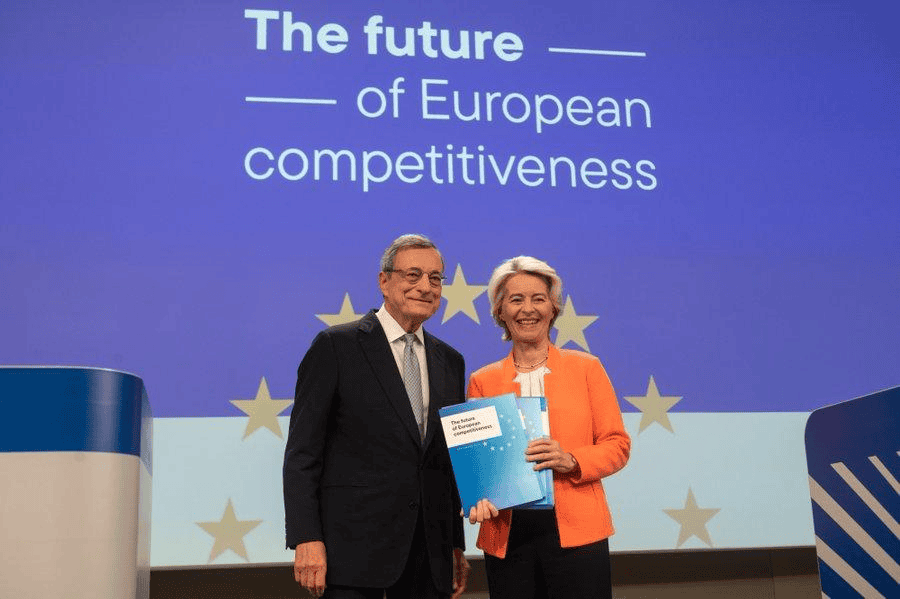
Mario Draghi, a former president of the European Central Bank, has presented his long awaited reporton the future of Europe’s competitiveness. The report presents a wide range of measures to boost competitiveness, investment and innovation in Europe. Draghi has been critical of overregulation undermining competitiveness, including in the area of chemicals.
The report argues that “[r]isk assessment of EU regulation may not always be based on actual exposure, imposing additional constraints on products and processes,” specifically citing the PFAS restriction proposal as an example. It notes that banning PFAS “would impact the use of substances needed to produce clean technologies (batteries and electrolysers), for which there are currently no alternatives.”
The findings of the report will contribute to the Commission’s work on a new plan for Europe’s sustainability and competitiveness, as well as the development of a new Clean Industrial Deal.
RAC and SEAC discuss PFAS restriction proposal
ECHA’s Committee for Risk Assessment (RAC) and Committee for Socio-economic Analysis (SEAC) held meetings from 16 to 20 September. At the RAC meeting, regulators discussed PFAS in waste emissions; textiles, upholstery, leather, apparel, carpets (TULAC); food contact materials and packaging; and petroleum and mining.
New Commission to present “Chemicals Industry Package” to simplify REACH, address PFAS
Von der Leyen has presented her proposed team of commissioners-designate for the next five-year mandate. Sweden’s Jessika Roswall has been nominated to be commissioner for environment, water resilience and a competitive circular economy. As detailed in Roswall’s mission letter, she would work with Stéphane Séjourné of France, designated to become executive vice-president for prosperity and industrial strategy, to prepare a new “Chemicals Industry Package” to simplify REACH and provide clarity on PFAS.
Scholz calls for “pragmatic” approach to PFAS
German Chancellor Olaf Scholz called for a “pragmatic” approach to PFAS during a visit to a chemical production site in late August. “In the European Union, Germany will push for a pragmatic approach that does not hinder Germany’s industrial development … but promotes it,” Scholz said. The statement comes amidst industry concern that a total ban would severely impact sectors and applications for which no alternatives are yet available.
Chancellor Scholz reiterated his position during a speech at the Chemistry & Pharma Summit on 12 September 2024. He called for an accelerated searched for alternatives to PFAS, while adding that where no alternatives exist their use must remain possible through transitional periods and exceptions. Scholz said the German government rejects a total ban on entire groups of chemical substances.