News

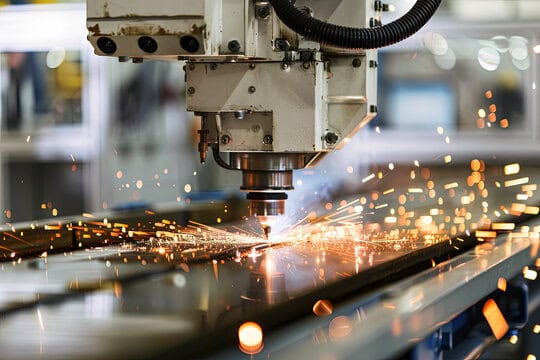
Industrial rocket manufacturing process in a plastics production plant.

October 2024 Newsletter

Fluoropolymers – A key to Europe’s strategic autonomy

Image

Dear Colleagues,

Welcome to the latest newsletter from the Fluoropolymers Product Group. We hope you have had a good rentrée. Certainly a lot has taken place in the European regulatory and policy world over the summer break. Read on to find out the latest about and from the fluoropolymers sector.

This issue at a glance:

  • Feature article: Fluoropolymers and European Strategic Autonomy
  • Regulatory updates
    • Draghi report: banning PFAS would hurt European clean energy sector
    • Meetings of SEAC and RAC
    • New EU Commission to present “Chemicals Industry Package” to simplify REACH, address PFAS
    • German Chancellor Scholz calls for “pragmatic” approach to PFAS
  • Upcoming events

Do not hesitate to reach out should you wish to showcase the socio-economic, industrial, technological or environmental importance of fluoropolymers to your sector.

With kind regards,

Ronald Bock, Chairman, Fluoropolymers Product Group

Feel free to share this newsletter with your wider network and invite people to subscribe by sharing this signup form.

Fluoropolymers enable European strategic autonomy

Helicopter with plastic composite blades during flight testing.

Europe has been increasingly working to strengthen its strategic autonomy in recent years. That means making Europe more independent in critical economic sectors.

Last June, the 27 national leaders gathered in the European Council spelled out where the focus should be in the EU’s Strategic Agenda for 2024 to 2029. This calls for not only diversifying supply chains but also “build[ing] up our own capacity in sensitive sectors and key technologies of the future” such as defence, space, semiconductors, health, net-zero technologies, mobility, chemicals and advanced materials.

As it happens, fluoropolymers are crucial in all of these areas. As a diverse and advanced group of materials with extremely strong chemical bonds, fluoropolymers are resistant to heat, water and corrosives, and thus able to withstand the most demanding environments. This makes them ideal to make many devices more durable and essential to a wide range of applications, including the production of semiconductors, 5G networks and power grids.

Fluoropolymers also have numerous critical applications in the field of energy. They enable the flow of electricity in lithium-ion batteries used in electric vehicles. Fluoropolymers can also form specialised membranes enabling the production of green hydrogen fuel cells that power modern transport, such as buses and trucks, and help extend the lifespan of solar and wind technology by protecting against harsh conditions and insulating against electrical failures. Taken together, fluoropolymers are simply essential to Europe’s energy autonomy, renewable energy transition and net-zero ambitions.

What’s more, fluoropolymers also contribute to European countries’ defence and aerospace efforts, being found throughout military-industrial bases supporting mission-critical component production and supply. In the area of health, countless medical devices that save lives every day depend on the purity of fluoropolymers to ensure that they are sterile and durable in the most delicate of conditions.

Emission control is a major concern and legitimate question when it comes to complex industrial chemical production processes such as fluoropolymer manufacturing. As a solution, fluoropolymer manufacturers have announced a voluntary commitment to significantly reduce non-polymeric PFAS emissions from Europe-based fluoropolymer manufacturing by 2030.This industry-led initiative goes further than current EU requirements, effectively setting the highest standards for fluoropolymer manufacturing worldwide.

Strategic autonomy is about the very concrete work of making sure Europe can keep itself powered, healthy, competitive and secure. Fluoropolymers play a critical role in sustaining the cutting-edge industries that can make this possible. In short, this remarkable class of materials is one of the keys to Europe’s strategic autonomy. And this need not come at a cost to the environment: fluoropolymers can be made, used safely and handled responsibly across their entire life cycles.

REGULATORY UPDATES

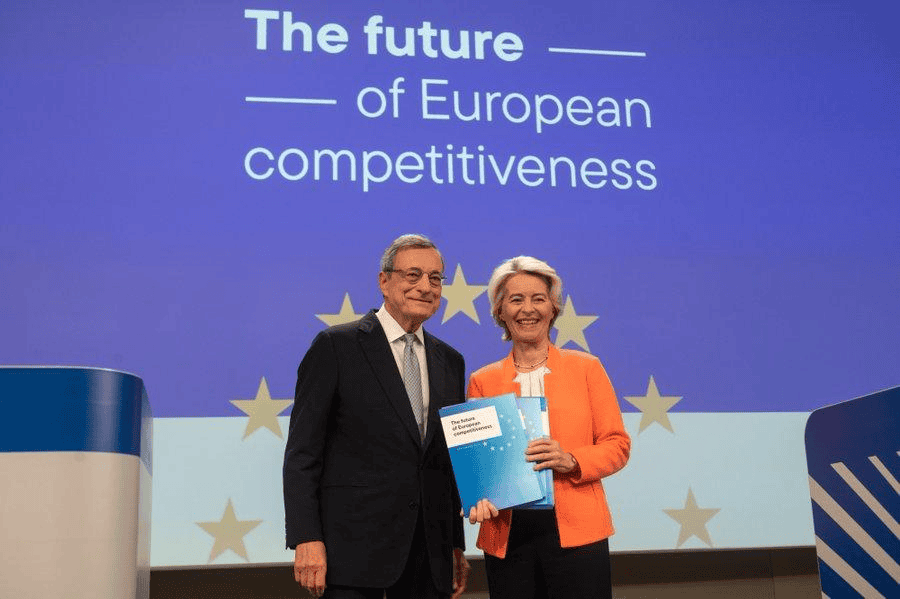
Two professionals at European competitiveness event, holding a report, with a presentation screen be.

Draghi report warns banning PFAS would hurt European clean energy sector

Mario Draghi, a former president of the European Central Bank, has presented his long awaited report on the future of Europe’s competitiveness. The report presents a wide range of measures to boost competitiveness, investment and innovation in Europe. Draghi has been critical of overregulation undermining competitiveness, including in the area of chemicals.

The report argues that “[r]isk assessment of EU regulation may not always be based on actual exposure, imposing additional constraints on products and processes,” specifically citing the PFAS restriction proposal as an example. It notes that banning PFAS “would impact the use of substances needed to produce clean technologies (batteries and electrolysers), for which there are currently no alternatives.”

The findings of the report will contribute to the Commission’s work on a new plan for Europe’s sustainability and competitiveness, as well as the development of a new Clean Industrial Deal.

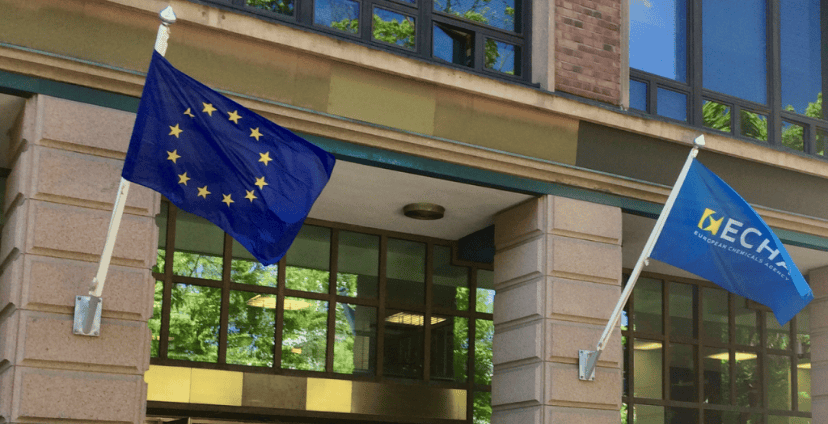
European Union flags and ECHA banner displayed outdoors at Plastics Europe conference.

RAC and SEAC discuss PFAS restriction proposal

ECHA’s Committee for Risk Assessment (RAC) and Committee for Socio-economic Analysis (SEAC) held meetings from 16 to 20 September. At the RAC meeting, regulators discussed PFAS in waste emissions; textiles, upholstery, leather, apparel, carpets (TULAC); food contact materials and packaging; and petroleum and mining.

New Commission to present “Chemicals Industry Package” to simplify REACH, address PFAS

Von der Leyen has presented her proposed team of commissioners-designate for the next five-year mandate. Sweden’s Jessika Roswall has been nominated to be commissioner for environment, water resilience and a competitive circular economy. As detailed in Roswall’s mission letter, she would work with Stéphane Séjourné of France, designated to become executive vice-president for prosperity and industrial strategy, to prepare a new “Chemicals Industry Package” to simplify REACH and provide clarity on PFAS.

Scholz calls for “pragmatic” approach to PFAS

German Chancellor Olaf Scholz called for a “pragmatic” approach to PFAS during a visit to a chemical production site in late August. “In the European Union, Germany will push for a pragmatic approach that does not hinder Germany’s industrial development … but promotes it,” Scholz said. The statement comes amidst  industry concern that a total ban would severely impact sectors and applications for which no alternatives are yet available.

Chancellor Scholz reiterated his position during a speech at the Chemistry & Pharma Summit on 12 September 2024. He called for an accelerated searched for alternatives to PFAS, while adding that where no alternatives exist their use must remain possible through transitional periods and exceptions. Scholz said the German government rejects a total ban on entire groups of chemical substances.

UPCOMING EVENTS

Sign up for the FPG newsletter

Subscribe to receive the monthly FPG newsletter

Subscribe

* indicates required

We use Mailchimp as our marketing platform. By clicking below to subscribe, you acknowledge that your information will be transferred to Mailchimp for processing. Learn more about Mailchimp’s privacy practices.

Intuit Mailchimp

Night view of Plastic Europe building with illuminated "USE YOUR VOTE" sign.

June 2024 Newsletter

Fluoropolymers in a crowded election year

On behalf of FPG members, we release our monthly Newsletter. This month, we have a packed issue detailing the latest regulatory developments and our work showcasing the importance of fluoropolymers following the EU election results.

Read the full newsletter

Sign up for the FPG newsletter

Subscribe to receive the monthly FPG newsletter

Subscribe

* indicates required

We use Mailchimp as our marketing platform. By clicking below to subscribe, you acknowledge that your information will be transferred to Mailchimp for processing. Learn more about Mailchimp’s privacy practices.

Intuit Mailchimp

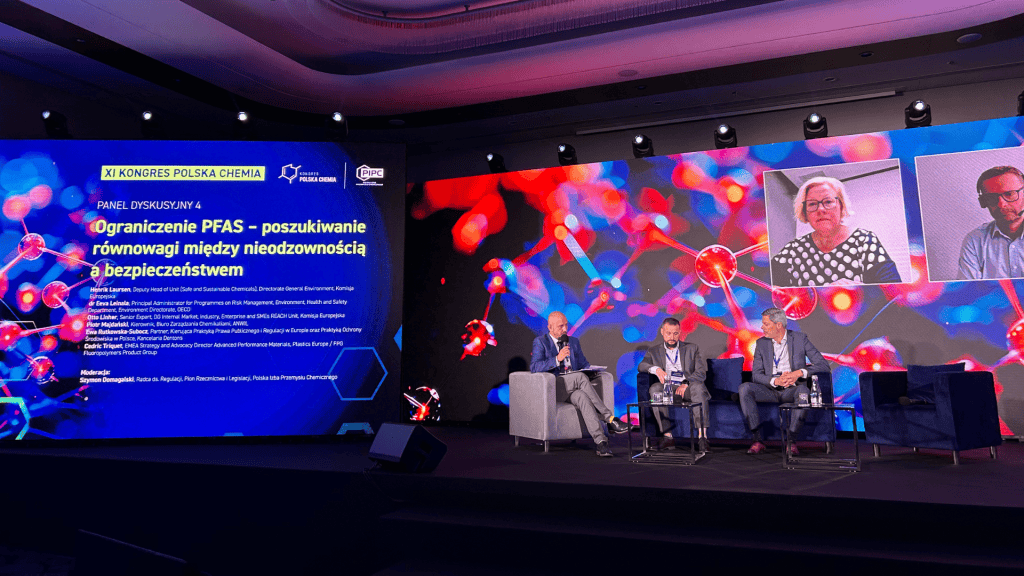
Panel discussion at Plastic Europe conference on polymer safety and innovation.

Polish Chemistry Congress Recap

Polish Chemistry Congress – PFAS panel, 2024.06.06, Warsaw

Moderated:

  • Szymon Domagalski, Regulatory Counselor, Advocacy and Legislation Division, Polish Chamber of Chemical Industry.

Panelists:

  • Otto Linher, Senior Expert, DG Internal Market, Industry, Enterprise and SMEs, REACH Unit, European Commission
  • Dr. Eeva Leinala, Principal Coordinator, Environment, Health and Safety Division, OECD
  • Henrik Laursen, Deputy Head of Unit, DG Environment, European Commission
  • Cedric Triquet, Strategy and Advocacy Director, Chemours Advanced Performance Materials Division on behalf of Plastics Europe / FPG Fluoropolymers Product Group Management Committee
  • Piotr Majdański, Head of the Chemical Management Office, Anwil

Summary of the Points:

Dr. Eeva Leinala – OECD 

  • OECD has been working on PFAS for the past 25 years (PFOA, PFOS, etc) 
  • In 2012, a global PFAS group was established towards better management and communication around these chemicals (SAICM resolution)
  • OECD prepares reports on the development of alternatives and risk management approaches. 
  • There are different approaches to risk management: globally the Stockholm Convention regulates some PFAS substances, but Canada, Japan, the EU and the USA all have different approaches.

Otto Linher – DG GROW 

  • EU also started regulating PFAS substances, first restricting one substance, PFOS, then the industry moved to another PFAS substance – innovation has always been faster than regulation. 
  • Regarding the ongoing U-PFAS restriction process, there will not be a full ban and derogations will be granted where no alternatives are available.
  • The European Commission does not intervene in the scientific process in ECHA.
  • The proposed restriction will have a large impact, which is also seen by the more than 5600 responses submitted to the public consultation. 
  • The proposal has already impacted some companies’ investment decisions; therefore, the EC needs to give a signal to the market. 
  • In the case of Teflon pans, alternatives are available, so there will be a ban. 
  • For other uses, it is much more complex to assess the alternatives. 
  • The EC has leeway to decide what is not going to be restricted, once the ECHA committees have submitted their assessment to the EC. 
  • Regarding the timeline, the EC does not expect to have a restriction before 2027. 
  • In terms of enforcement, he acknowledged it is not easy to control the chemicals in products, but he was certain enforcement projects would be put in place. 
  • In parallel, the EC is also working on other concepts, such as essential use and substitution planning. 

Henrik Laursen – DG ENV 

  • The EC recently published a communication on the essential use concept that has already been referred to in the Montreal Protocol. 
  • The communication sets out principal considerations, but will only be legally binding once it is introduced into law, i.e. during the REACH review. 
  • In order for a use to be considered essential, it needs to meet two criteria:
    • Be necessary for the health, safety, or critical functioning of society.
    • No acceptable alternatives are available.
  • The EC would not like to have SVHC in consumer products. 
  • He acknowledged that PFAS substances fulfil important functions in industrial settings, especially in the green transition, semiconductors, and energy products play an important role in lowering GHG emissions. 

Cedric Triquet – FPG 

  • Cedric explained the difference between fluoropolymers and other PFAS substances.
  • Fluoropolymers do not pose a significant risk to health and the environment. 
  • The persistence of fluoropolymers gives them durability, which is essential in industrial settings, from heavy-duty to high-tech industries. 
  • The emissions can be controlled during production, FPG members, fluoropolymer producers, have made a commitment to significantly reduce emissions from manufacturing by the end of 2024 and then, as the next step, by 2030. 
  • FPG does not oppose regulation but supports a coherent science-based regulatory approach to industry.

Piotr Majdański – Anwil

  • As a fertilizer company, they do not use PFAS substances in their products but rely on them in their manufacturing processes.
  • The restriction proposal has created a lot of uncertainty in the market. 
  • The one substance – one assessment approach has changed to thousands of substances – one assessment approach. 
  • Whereas in the case of a restriction of one substance, it was easy to identify where it is used, however, with such a broad definition, companies are still in the process of identifying all the uses of all the PFAS substances. 
  • He questioned who would take the decision and the responsibility of restricting a certain substance which could result in major accidents in chemical plants. 
  • In the current geopolitical situation and the energy crisis, perhaps it is not the most appropriate time to start a revolution in the chemical industry – we need evolution, not revolution. 
  • Anwil so far has identified F-gases and foam blowing agents as critical PFAS substances for their operations – alternatives like ammonia and propane are explosive and toxic for workers, in addition, F-gases are used in closed systems – there is no advantage to replacing them simply because alternatives exist.

Surgical team in protective gear performing a procedure in a sterile environment.

May 2024 Newsletter

Fluoropolymers and health: A view from the frontline

On behalf of FPG members, we release our monthly Newsletter. This month, we have a packed issue detailing the latest regulatory developments and our work showcasing the importance of fluoropolymers to the health sector.

Read the full newsletter

Sign up for the FPG newsletter

Subscribe to receive the monthly FPG newsletter

Subscribe

* indicates required

We use Mailchimp as our marketing platform. By clicking below to subscribe, you acknowledge that your information will be transferred to Mailchimp for processing. Learn more about Mailchimp’s privacy practices.

Intuit Mailchimp

Welding of fluoropolymer plastics with sparks and blue light for industrial use.

April 2024 Newsletter

Fluoropolymers: an essential ingredient for a European Industrial Deal

On behalf of FPG members, we release our monthly Newsletter. This month, we have a packed issue detailing the latest regulatory developments and our work showcasing the socio-economic, industrial, technological and environmental importance of fluoropolymers.

Read the full newsletter

Sign up for the FPG newsletter

Subscribe to receive the monthly FPG newsletter

Subscribe

* indicates required

We use Mailchimp as our marketing platform. By clicking below to subscribe, you acknowledge that your information will be transferred to Mailchimp for processing. Learn more about Mailchimp’s privacy practices.

Intuit Mailchimp

Electric vehicle charging port with plug inserted for sustainable transportation.

March 2024 Newsletter

Fluoropolymers: performance and resistance key to safe and sustainable road transport

On behalf of FPG members, we release our monthly Newsletter. This month, we have a packed issue detailing the latest regulatory developments and our work showcasing the socio-economic, industrial, technological and environmental importance of fluoropolymers.

Read the full newsletter

Sign up for the FPG newsletter

Subscribe to receive the monthly FPG newsletter

Subscribe

* indicates required

We use Mailchimp as our marketing platform. By clicking below to subscribe, you acknowledge that your information will be transferred to Mailchimp for processing. Learn more about Mailchimp’s privacy practices.

Intuit Mailchimp

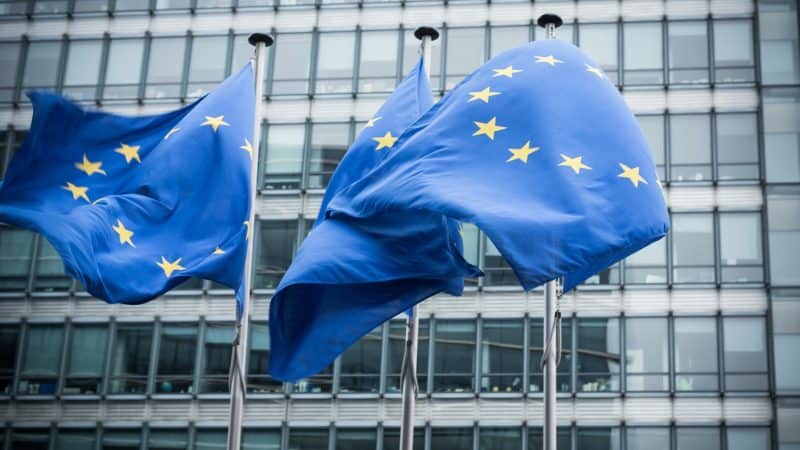
EU flags fluttering in front of a glass office building.

February 2024 Newsletter

Fluoropolymers are advanced materials critical to EU competitiveness & autonomy

On behalf of FPG members, we release our monthly Newsletter. This month, we have a packed issue detailing the latest regulatory developments and our work showcasing the socio-economic, industrial, technological and environmental importance of fluoropolymers.

Read the full newsletter

Sign up for the FPG newsletter

Subscribe to receive the monthly FPG newsletter

Subscribe

* indicates required

We use Mailchimp as our marketing platform. By clicking below to subscribe, you acknowledge that your information will be transferred to Mailchimp for processing. Learn more about Mailchimp’s privacy practices.

Intuit Mailchimp