A small material input with a major industrial impact.
Fluoropolymers are high-performance materials used where durability, purity, safety and reliability are essential. Although used in relatively small quantities, they are embedded in some of Europe’s most strategic value chains, including semiconductors, electric vehicles, renewable energy, aerospace, medical technologies and advanced manufacturing.
By supporting these sectors, fluoropolymers help enable innovation, industrial resilience and the technologies needed for Europe’s green and digital transitions. Their value goes beyond material production. Fluoropolymers help manufacturers improve performance, extend product lifetimes and compete in demanding global markets.
Across Europe, the fluoropolymer supply chain is linked to more than €1.6 billion in economic output and around 14,500 full-time jobs.
Demand is also strategically important. The EU27 fluoropolymer market is estimated at around 56,500 tonnes in 2025, while domestic production supplies only around one quarter of total demand. Secure access to fluoropolymers is therefore important for Europe’s industrial resilience.

Economic impact beyond production
The potential impact of restrictions would extend far beyond fluoropolymer producers. In three critical downstream areas alone, fluoropolymer-dependent activity is associated with:
Transport-related output
Energy-related output
Sealing-related output
Jobs Supported
How fluoropolymers support Europe’s priorities
Fluoropolymers help enable technologies and industries that are central to Europe’s competitiveness, resilience and transition goals.
The green transition
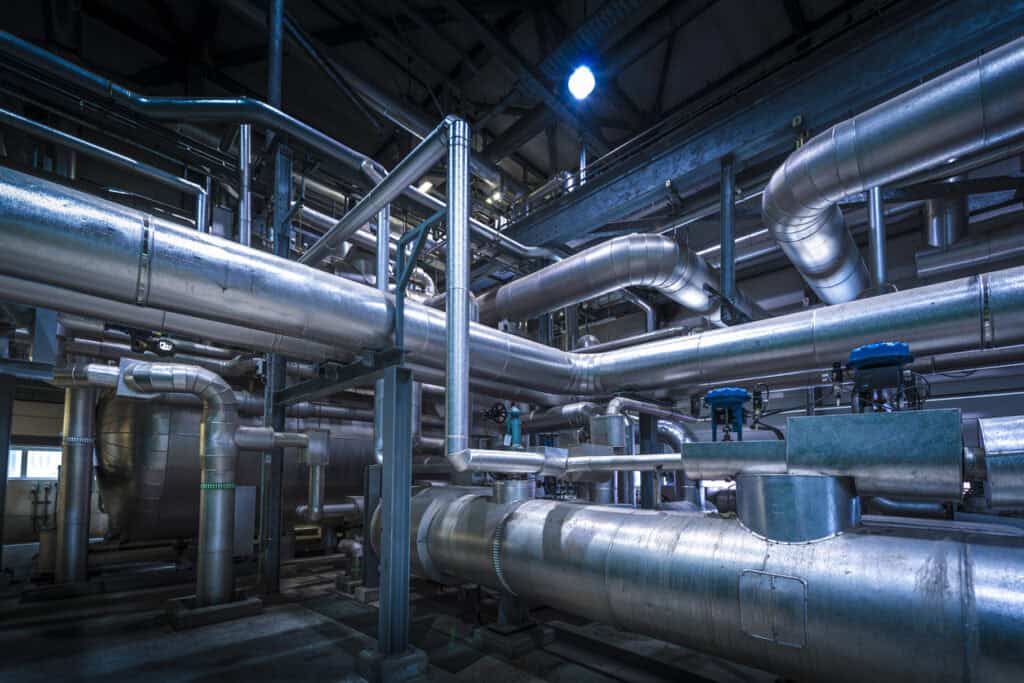
Supporting hydrogen technologies, batteries, solar energy and electric mobility.
The digital transition
Enabling advanced semiconductor manufacturing, data centres and high-performance electronics.
Healthcare resilience
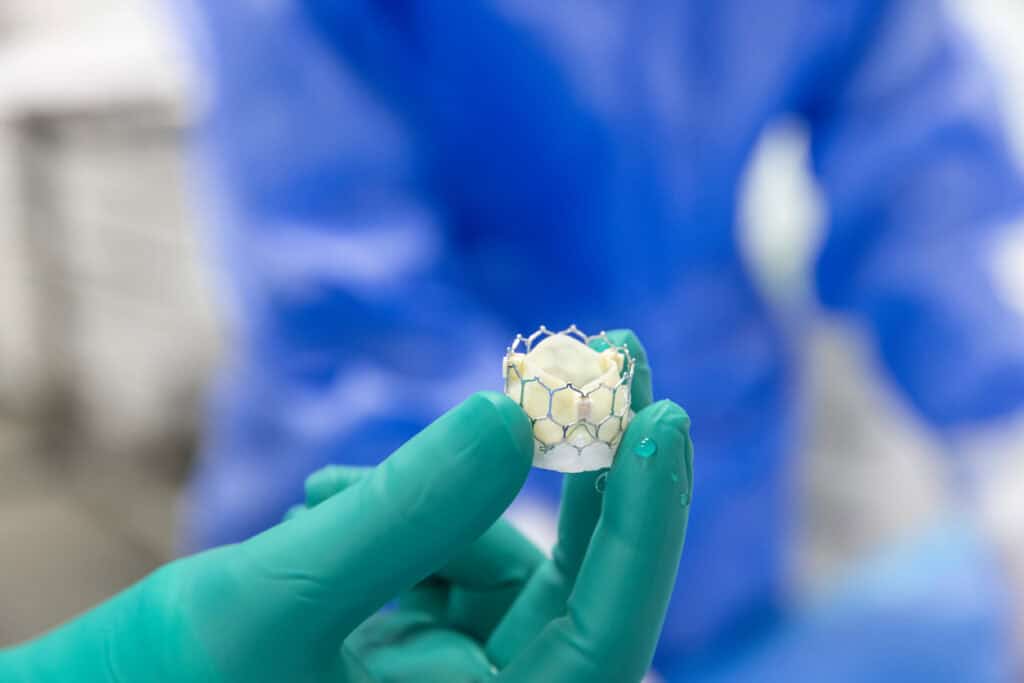
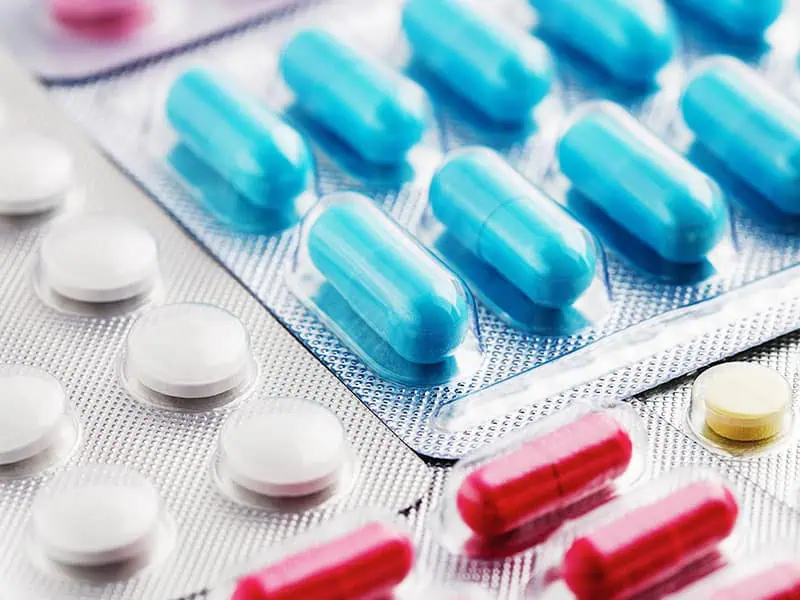
Supporting medical devices, pharmaceutical manufacturing and sterile systems where purity and reliability are essential.
Industrial competitiveness
Helping manufacturers improve performance, reduce downtime and extend product lifetimes.
Strategic autonomy
Supporting sectors where Europe needs secure, reliable and high-performing supply chains.
Waste prevention
Helping components last longer, reducing replacement needs and lowering waste over time.
Why fluoropolymers are difficult to replace
Fluoropolymers are used in demanding applications where other materials cannot provide the same combination of performance, safety and reliability.
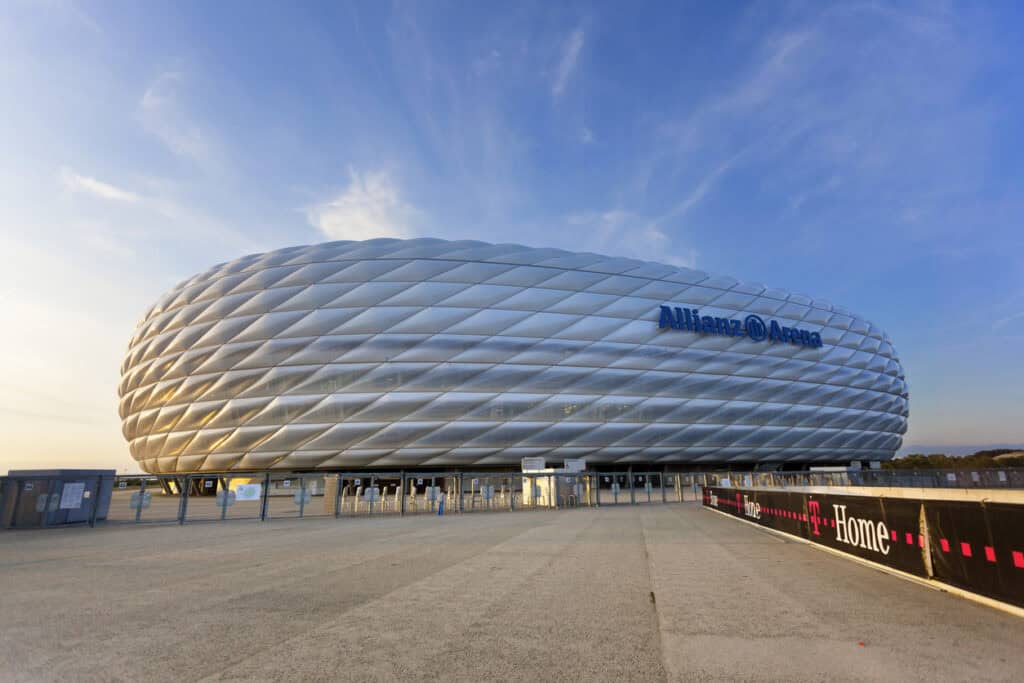
They combine chemical resistance, thermal stability, high purity, durability, electrical insulation, low friction and non-stick performance. This combination is essential in sectors such as semiconductors, clean energy, medical technologies, pharmaceuticals, transport, aerospace, defence, water treatment, architecture and construction.
These properties help components and systems operate safely and reliably under high temperatures, aggressive chemicals, strict purity requirements, vibration, pressure and long service lifetimes.
This is why substitution is difficult. Even where an alternative material may appear possible, replacement can require research and development, testing, certification, customer approval and changes to manufacturing systems.
FPG’s Assessment of Alternatives shows that substitution must be assessed across the full product, process, supply chain and lifecycle — not at substance level alone.
Explore applications by sector
Explore how fluoropolymers support key European sectors and why their performance is difficult to replace in critical applications.